
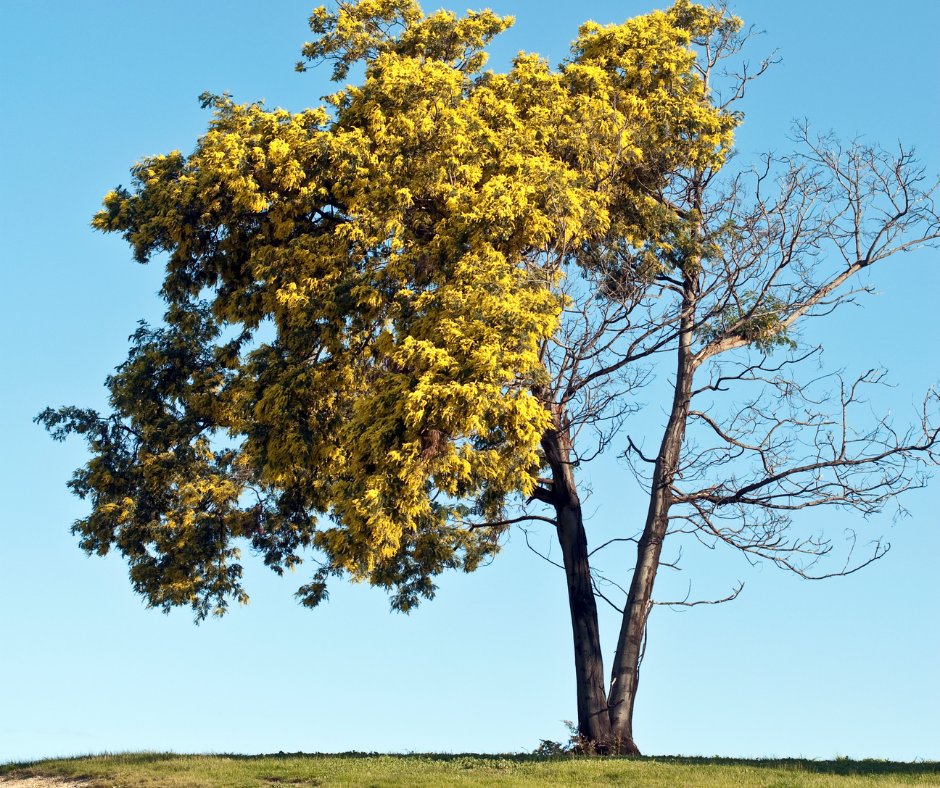
Trees live a long time, for decades or even centuries, so when a tree starts to lose leaves, develop dead branches, or show other signs of decline it can be concerning. The difficult part is determining whether your tree is actually dying or simply responding to temporary stress.
A tree with brown leaves or a few dead branches isn’t necessarily dying. Drought, storm damage, extreme temperatures, insects, disease, soil compaction, root damage, and other environmental stresses can all cause symptoms that look serious. In many cases, identifying and addressing the problem early can give the tree an opportunity to recover.
So, how can you tell if a tree is dying? Some of the most common warning signs include increasing numbers of dead branches, thinning foliage, abnormal leaf colour or size, bark damage, fungal growth, structural problems, and a noticeable decline in new growth. When several of these symptoms appear together or continue getting worse, it may be time to have the tree assessed by a professional arborist near you.
10 Signs That a Tree Is Dying
A declining tree will often give you warning signs before it dies completely. Some symptoms are easy to spot, while others require a closer inspection of the branches, trunk, roots, and surrounding soil.
Here are some of the most important signs to watch for.
1. Dead or Dying Branches
One of the most noticeable signs of tree decline is an increasing number of dead branches. A healthy deciduous tree should generally produce leaves throughout its living canopy during the growing season. If large branches remain bare while the rest of the tree has leafed out, those branches may be dead.
You may also notice smaller twigs dying first, followed by progressively larger branches. This is known as crown dieback and can indicate that the tree is experiencing significant stress. Dead branches don’t automatically mean the entire tree is dying. However, widespread or increasing branch dieback deserves attention.
2. A Thinning Tree Canopy
Step back from your tree and look at the entire canopy. Does it look noticeably thinner than it did several years ago? Are there large gaps where foliage used to grow? A thinning canopy can be an important sign of declining tree health. Ontario guidance identifies defoliation and dieback as potential symptoms of trees experiencing stresses such as soil compaction and root-zone problems. Some trees naturally have more open canopies than others, so comparing the tree to previous years can be more useful than comparing it to another species.
3. Leaves Are Smaller Than Normal
Leaf size can tell you a surprising amount about a tree’s health. A stressed tree may continue producing leaves, but those leaves can be noticeably smaller than they were in previous growing seasons. Abnormally small foliage, pale leaves, premature leaf loss, and thinning growth can all indicate that the tree isn’t receiving or transporting the water and nutrients it needs.
4. Leaves Are Turning Yellow or Brown
Yellow or brown leaves can be concerning, particularly when they appear during a time of year when the tree should be green like spring or early summer. However, leaf discolouration doesn’t automatically mean a tree is dying. There are many possible causes for leaves turning brown including:
- Drought
- Excessive moisture
- Root problems
- Nutrient deficiencies
- Insect infestations
- Tree diseases
- Road salt
- Extreme temperatures
- Soil compaction
Where the leaf discolouration occurs can also provide clues. For example, if it is concentrated to one side of a tree that could point toward environmental exposure, physical damage, or another localized problem. Ontario’s tree-health guidance also notes that environmental and physiological problems often produce recognizable patterns across affected trees or portions of a tree.
5. The Tree Is Losing Leaves Too Early
A deciduous tree dropping its leaves in October isn’t particularly surprising. A tree dropping large numbers of leaves in June or July is a different story. Premature leaf drop can occur when a tree is under stress and can be associated with drought, disease, insects, root problems, or other environmental conditions. One unusual year isn’t necessarily a death sentence. But if premature leaf loss occurs repeatedly or is accompanied by branch dieback and a thinning canopy, the underlying cause should be investigated.
6. Bark Is Falling Off the Tree
Healthy trees naturally shed small amounts of bark, and some species like birch trees have peeling or exfoliating bark as part of their normal appearance. Large areas of missing, loose, cracked, or dead bark can be more concerning. Look for areas where the bark has fallen away and exposed the wood underneath. Sunken areas, cracks, wounds, cavities, and discoloured tissue beneath the bark can sometimes indicate injury, decay, or disease.
If you’re unsure whether the bark you’re seeing is normal for the species, an experienced arborist near you can inspect the tree and determine whether there is reason for concern.
7. There Are Cracks or Cavities in the Trunk
Not every tree with a hole or hollow bit needs to be removed. Trees are capable of surviving with cavities and internal decay for many years. The concern is structural integrity. Large cracks, cavities, splitting trunks, significant decay, or weak branch attachments can potentially increase the likelihood of failure, particularly when combined with a declining canopy or damaged root system. This becomes especially important when the tree is close to a house, driveway, road, playground, patio, or another area where people or property could be affected if a branch or the tree failed.
8. Mushrooms Are Growing Around the Base
Mushrooms around a tree don’t automatically mean the tree is dying. Fungi are a normal part of healthy soil ecosystems and may simply be decomposing organic material. However, certain fungal growth around the trunk or root flare can be associated with decaying wood or root disease. For example, Armillaria root rot can cause sparse foliage, undersized leaves, twig dieback and honey-coloured mushrooms near the base of affected trees.
Because fungi can be difficult to identify accurately, unusual fungal growth combined with declining tree health is a good reason to have the tree inspected.
9. There Are Holes or Sawdust Around the Trunk
Small holes in the bark may indicate insect activity. Wood-boring insects can tunnel beneath the bark and interfere with the tree’s ability to transport water and nutrients. Depending on the pest, you might notice holes, sawdust-like material, bark damage, canopy thinning, yellowing leaves, or dying branches. In Ontario, invasive species like the emerald ash borer and native insects can affect different tree species, so identifying the tree itself is an important part of diagnosing the problem.
10. The Tree Has Stopped Growing
Trees don’t grow at the same rate every year, and growth naturally slows as some trees mature. However, a noticeable decline in annual growth can indicate stress. Look at the tips of smaller branches. Healthy trees generally produce new shoots each growing season. Very little new growth combined with sparse foliage, smaller leaves, and branch dieback may indicate a broader decline.
Why Is My Tree Dying?
There isn’t one single cause of tree decline. Trees can experience stress for years before homeowners notice obvious symptoms. In fact, the problem you see in the canopy today may have started much earlier at ground level. There are many common causes for tree decline including:
- Drought
- Overwatering or poor drainage
- Root damage
- Soil compaction
- Construction damage
- Improper planting
- Insect infestations
- Fungal or bacterial diseases
- Severe storms
- Ice damage
- Extreme winter conditions
- Road salt
- Physical damage to the trunk
- Competition from surrounding vegetation
Trees under long-term environmental stress can also become more vulnerable to insects and disease. This is why simply treating the visible symptom isn’t always enough. Finding the underlying cause is important.
Can a Dying Tree Be Saved?
Yes, some dying or declining trees can be saved, particularly when the underlying problem is identified early. However, whether a tree can recover depends on what is causing the decline and how much damage has already occurred. A tree suffering from drought stress, soil compaction, minor storm damage, improper pruning, or certain pest and disease problems may have a good chance of recovery with appropriate care. Treatment for a stressed tree might involve:
- Removing dead or diseased branches
- Correcting watering practices
- Improving soil conditions
- Reducing soil compaction
- Protecting the root zone
- Managing insects or diseases
- Correcting structural problems through pruning
- Providing ongoing tree-health monitoring
The amount of healthy canopy remaining can be particularly important. A tree with a relatively small amount of dieback may have much better recovery potential than one that has lost most of its canopy. Some conditions, however, cannot realistically be reversed. Extensive decay, severe root damage, certain advanced diseases, major structural failure, or the death of a significant portion of the canopy can make removal the safer option.
The key is not to assume a struggling tree is already dead. Before removing a mature tree, having a professional arborist near you determine what is causing the decline can help you understand whether treatment, monitoring, pruning, or removal makes the most sense.
When Should I Call an Arborist About a Dying Tree?
You don’t have to wait until a tree is nearly dead before calling an arborist. Early tree assessments give you more options. Consider having your tree professionally inspected if you notice:
- Increasing numbers of dead branches
- Large dead limbs
- Significant canopy thinning
- Unusual leaf or needle discolouration
- Premature leaf drop
- Cracks or cavities
- Mushrooms or fungal growth around the trunk
- Insect holes or other signs of infestation
- Significant bark loss
- Root damage
- A new or worsening lean
- Storm damage
- A noticeable decline from year to year
This is especially important for large mature trees near homes and other structures.
Don’t Give Up on a Declining Tree Too Quickly
Seeing dead branches, brown leaves, or a thinning canopy doesn’t necessarily mean your tree needs to come down. Trees can respond dramatically to drought, extreme Ontario winters, storm damage, root disturbance, insects, disease, and other stresses. Some recover naturally, while others benefit from pruning, improved growing conditions, pest or disease management, and professional tree care. At the same time, ignoring progressive decline can allow a manageable problem to become much more serious.
If you’re wondering whether your tree is dying or if it can be saved, the experienced arborists at Sequoia TreeScape can assess its condition, identify potential causes of decline, and recommend the appropriate next steps. Depending on the condition of your tree, that may include professional pruning, ongoing monitoring, treatment, an arborist report, or tree removal when necessary. Contact Sequoia TreeScape to schedule an assessment and find out what’s happening with your tree.