
TL;DR
- Dead Tree Hazards: Dead trees can cause property damage, attract pests, and pose safety risks due to decaying structure.
- Why Prompt Action is Needed: Deteriorating trees can break, fall, or attract pests like termites and ants.
- Steps to Handle a Dead Tree:
- Assess the Tree: Check for signs of life, rot, and proximity to structures.
- Removal Process: Hire a certified arborist for safe removal, specialized tools, and proper disposal of debris.
- Preventive Measures: Regular tree inspections, pruning, and disease monitoring can prevent future issues.
- Leave It Standing?: Dead trees can provide wildlife habitat if not near danger zones.
- Professional Help: For dead tree removal, contact an arborist like Sequoia TreeScape for expert advice and service.
What Should You Do About Removing a Dead Tree in Your Yard
As an arborist, I frequently assist homeowners facing the challenge of what to do with a dead tree in their yard. While dead trees can sometimes offer habitat for wildlife, they present substantial hazards, including the risk of damage to property and personal safety. To address this, a tree removal service is essential to assess the tree’s condition and determine the best course of action. Whether the removal involves pruning, cutting, or stump grinding, professionals use specialized equipment to safely and efficiently handle the situation. It’s important to consider factors like cost, safety, and the environmental impact when deciding whether to hire experienced technicians. Dead tree removal not only clears a hazardous area but also helps maintain the health of the surrounding yard. Additionally, homeowners may need to acquire a permit depending on local regulations. The process includes evaluating tree health, ensuring proper disposal of the wood and debris, and ensuring that the service is performed with professionalism, reliability, and insurance coverage. It’s important to understand how to safely and responsibly remove dead trees while minimizing risks and environmental impact.
Why You Should Address a Dead Tree on Your Property Promptly
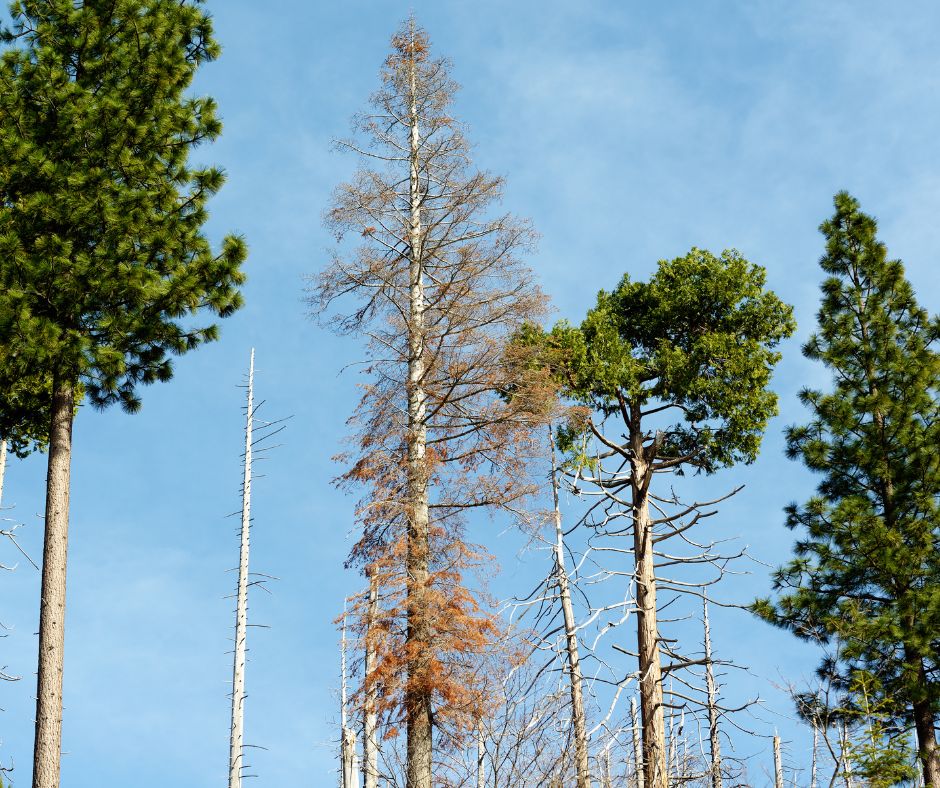
Dead trees might seem harmless initially, but they deteriorate over time, losing structural integrity. Factors like rot, insect infestations, and weather can exacerbate the risk of limbs breaking or the entire tree falling. A dead tree near your house, driveway, or utility lines is a potential hazard that shouldn’t be ignored.
Beyond safety concerns, dead trees can also attract pests like termites, carpenter ants, and beetles, which can eventually migrate to healthy trees or even your home.
Steps To Take To Deal With a Dead Tree
1. Assess the Tree – Before making any decisions, take the time to assess the tree’s condition. Ask yourself:
-
- Is the tree entirely dead, or are there still signs of life in parts of it? Look for any branches that still have leaves or shoots and stems growing from the trunk
- Are there visible signs of rot or structural weakness, such as cracks in the trunk or hollow areas, or bits of rotted wood that might resemble large sawdust?
- How close is the tree to structures, power lines, or areas of heavy foot traffic?
If you’re uncertain about the answers, consult an experienced arborist near you. Professional evaluations can identify whether the tree is salvageable, or if removing the dead tree is the best course of action.
2. Dead Tree Removal Process – Removing a dead tree from your property is not a DIY task for most homeowners, especially if the tree is near your house or some other structure. Here’s why hiring a certified arborist is crucial:
-
- Safety First – Dead trees are unpredictable. Their brittle limbs and decaying trunk can snap without warning during removal. Arborists are trained in techniques and equipped with tools to safely dismantle even the most hazardous trees.
- Specialized Equipment – Tree removal often requires climbing gear, chainsaws, and sometimes even cranes or spider lifts, depending on the tree’s size and location. Professional arborists have access to and experience with these tools.
- Preventing Further Damage – Improper removal of a dead tree can cause damage to your property, surrounding landscaping, or underground utilities. Arborists plan meticulously to ensure safe and precise removal.
- Disposing of the Tree – Once the tree is removed, you need to decide how to handle the remains. Common options include:
- Chipping the wood for mulch.
- Splitting and seasoning the wood for firewood.
- Hauling away debris to a designated disposal site.
An arborist will be able to complete the task of removing the dead tree from your property safely and leave your property looking clean and even better than before.
3. Preventive Measures for the Future – To avoid future tree losses, it’s important to take preventive steps to keep the rest of the trees on your property healthy. It’s always good to schedule regular tree health inspections with a certified arborist. Make sure you have your trees pruned properly to promote strong growth and prevent disease. And keep an eye on any changes, such as leaf discoloration, bark peeling, or fungal growth, which could indicate a problem.
When to Leave a Dead Tree Standing
In some cases, you may choose to leave a dead tree standing as a “snag.” Snags provide valuable habitats for birds, insects, and small mammals. However, this is only an option if the tree is in a spot on your property that doesn’t pose a safety risk.
A dead tree in your yard isn’t just an eyesore; it’s a potential hazard. It’s important that when you need a dead tree removed from your property, you act promptly by consulting a professional arborist near you. This can save you time, money, and worry in the long run. If you live in Newmarket, Aurora, or in York or Durham region and need a dead tree removed from your yard, or you’re unsure about your tree’s condition, don’t hesitate to reach out to our certified arborists here at Sequoia TreeScape for expert advice.
Your trees are vital to your yard’s ecosystem and aesthetic appeal—taking care of them, even in their final stages, is essential.